A Moment with Henri Cartier-Bresson
I’m a little late in recapping my time with Henri Cartier-Bresson. Part of it is that I wasn’t quite sure where I wanted to go with this project. What am I doing? What needs to be said? Is there anyone out there who cares anyway?
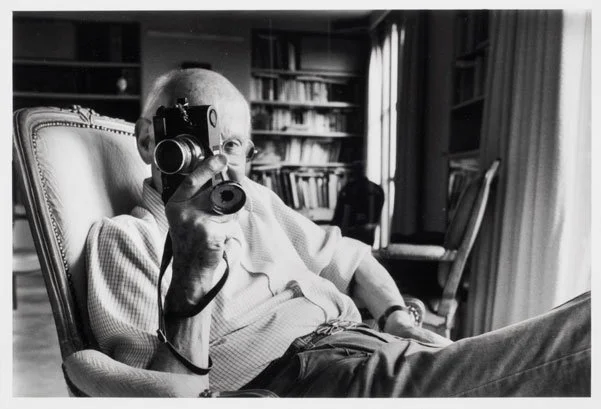
Henri Cartier-Bresson icp.org
Then I realized this project was for me, and the blog was my venue to share it, simply to help me consolidate my thoughts. A diary of sorts, but public and therefore a way to hold myself accountable.
So, if you’re still reading, hello. I’m sure how I move through this project will change, so if in the future I do a kick ass job in being more organized and formulaic with how I share my time with each artist, you’ll know I was starting at this place. Putting the words down is half the journey, so I’m showing up like this today.
Why Henri Cartier-Bresson?
When I first envisioned this project, I thought it would be fun to draw one name out of a bucket and do a one-month deep dive on that subject. To my surprise (and delight), the first name I chose was Henri Cartier Bresson.
Now, disclaimer, I’ve already switched up my parameters. The bucket will not be necessary for me to choose the subject; I’m letting the universe guide me there. And, apparently, I cannot be restricted by time. I’m either stuck on a subject or move on fairly quickly.
But the delight in picking HCB remains the same, since I already knew a bit about him due to my photojournalism training.
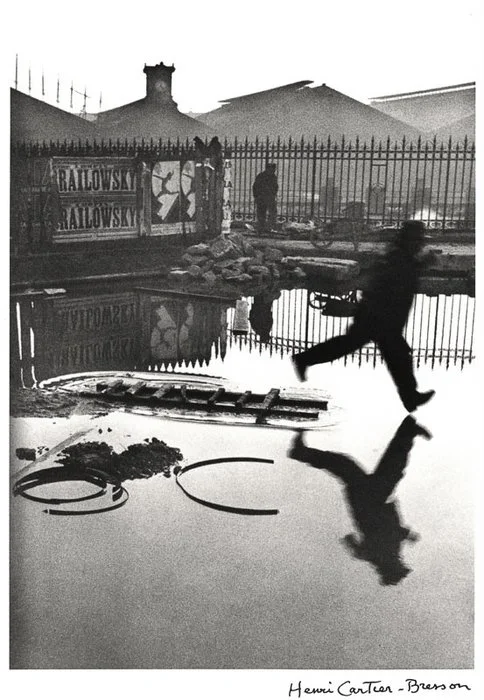
Henri Cartier-Bresson, icp.org
So, who was this Guy?
Henri Cartier-Bresson, or HCB (as I’ll refer to him here since his name is forever long), is the godfather of modern photojournalism and one of the founders of Magnum Photos, a photographic cooperative that dominated the mid-20th century. He’s most notable for coining the term “the decisive moment.”
He was born to a wealthy family outside Paris in the early 20th century, and like most rich dudes, he had access to a plethora of art education from a young age. He attended a private art school in Paris, and while learning both traditional and cubist style painting, he gravitated towards the Surrealist movement of the 1920s.
He eventually moved on to photography. And, like most photographers who successfully make it their career, he became obsessed. After working on projects in various parts of Europe and Mexico, his first official photojournalism assignment came in 1937, when he documented the coronation of King George VI and Queen Elizabeth, focusing less on the royalty and more on the common man. The images resonated, and he continued working in journalism throughout his career, many of his photos appearing in Life magazine.
He was an accomplished (yet unassuming) guy with a long, distinguished career.
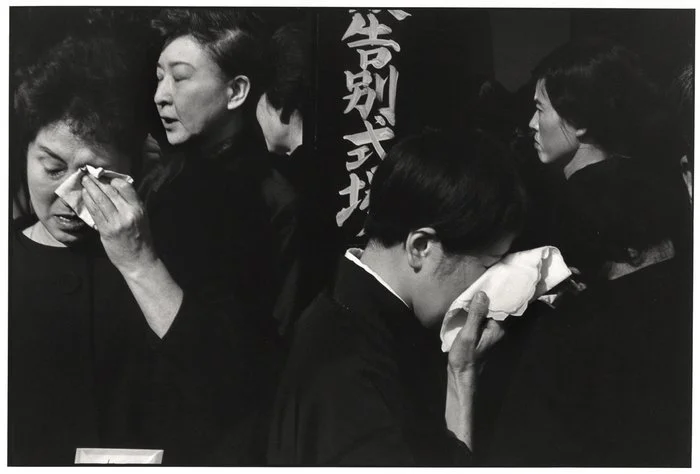
Henri Cartier-Bresson, icp.org
How did he shoot?
His companion was a trusty Leica with a “normal” 50mm lens, which he would paint all black so he would be less conspicuous when photographing. He primarily shot in black and white, avoided flash, and preferred to compose his photos in camera, using the viewfinder as his guide.
Of course, the biggest thing to know about HCB was that he was dedicated to the idea of the decisive moment and to the photographer's job of knowing when to capture it.
"Photography is not like painting," he told The Washington Post in 1957. "There is a creative fraction of a second when you are taking a picture. Your eye must see a composition or an expression that life itself offers you, and you must know with intuition when to click the camera. That is the moment the photographer is creative," he said. "Oop! The Moment! Once you miss it, it is gone forever."
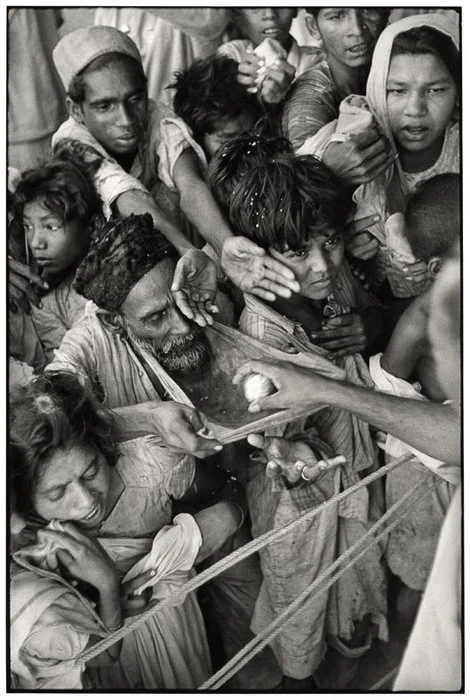
Henri Cartier-Bresson, icp.org
What did I take out of this?
My deep dive into HCB included a range of resources, including Wikipedia, Magnum, this documentary on YouTube, and The Decisive Moment, HCB’s 1952 photo book and widely considered the “bible for photographers.”
I was struck by a few things looking at the photos in The Decisive Moment. First, and probably most striking, was that most of the photos felt timeless. Typically, old photos have this way of making me feel like their world was a different universe. Somewhere between an alien planet and a movie. But his images feel so modern and human. I get the feeling these people could exist today. His roots in capturing reality and the craftsmanship of his work show that, even over time, people remain the same. We have the same emotions, the same faces, gestures, and motivations. Humans be humans.
Of course, one cannot research HCB without absorbing the concept of the decisive moment and its roots in surrealism. Good composition is never happenstance. Yet, leaving certain elements up to the universe can yield unexpected results that feel more powerful than any perfectly staged image. HCB was a master of both composition and patience. He would compose a frame and wait until something entered the space exactly where he intended it. Whether he had a specific idea of what that element would be or not, he stayed ready.
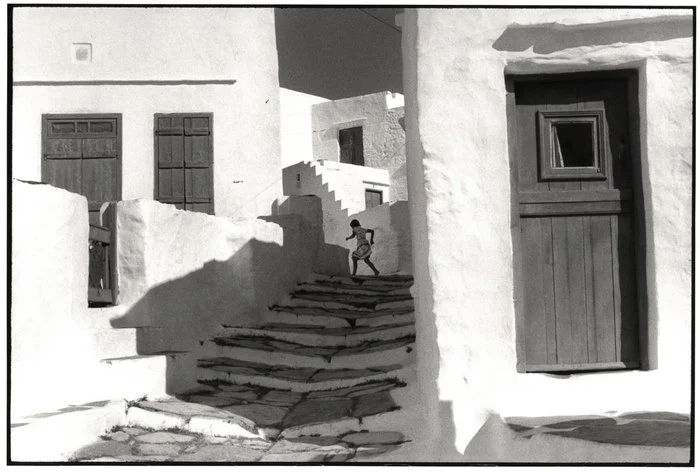
Henri Cartier-Bresson, icp.org
Sure, this was probably luck, but it was orchestrated luck. I’m sure he took many photos, or waited for many moments, that just didn’t materialize. But the vision was there. He may not have known what the additional element would be, but he knew exactly where he wanted it to land. It is a mix of patience and wisdom, and requires a little trust that a vision can eventually come together.
There is a quote from M. Pierre Gassman, the man who ran the lab for HCB, that says there are two kinds of photographers: those who work for the best possible negative, and those who work for the best possible picture.
HCB fell into the second camp.
From everything I’ve researched, it is clear that Cartier-Bresson was not a "tech guy." He carried his Leica and the bare basics he needed to make photos. I think that is exactly what made him such a great storyteller. He knew his tool so well that it became invisible. He knew how he wanted to capture the world, and he refused to let the technical fluff get in the way. He worked with what he had, and he was more than happy with it.
How has this affected the way I work?
I decided to dedicate my little Fuji X100 T to this thought experiment. Trying to shoot in the mindset of Cartier Bresson is not hard for me, as I think this is how I always want to shoot. However, the expectation to get that decisive moment is stressful. It relies so much on just shooting all the time, being in the right place at the right time, and looking. Always looking.
One thing that occurred to me during this process is how important it is to trust and know your camera as if it were a part of you. Even though I have had this Fuji camera for a few years, I have never truly become comfortable with it. That lack of familiarity made using it for this experiment very difficult. It is hard to anticipate a moment when you're fumbling with settings.
How lucky Cartier Bresson was to have this gift, and how hard he must have worked to reach the point of knowing 100% the kind of storyteller he wanted to be. It is clear to me that my own photographer influences were influenced by him. My only regret is that I hadn't deep-dived into him earlier.
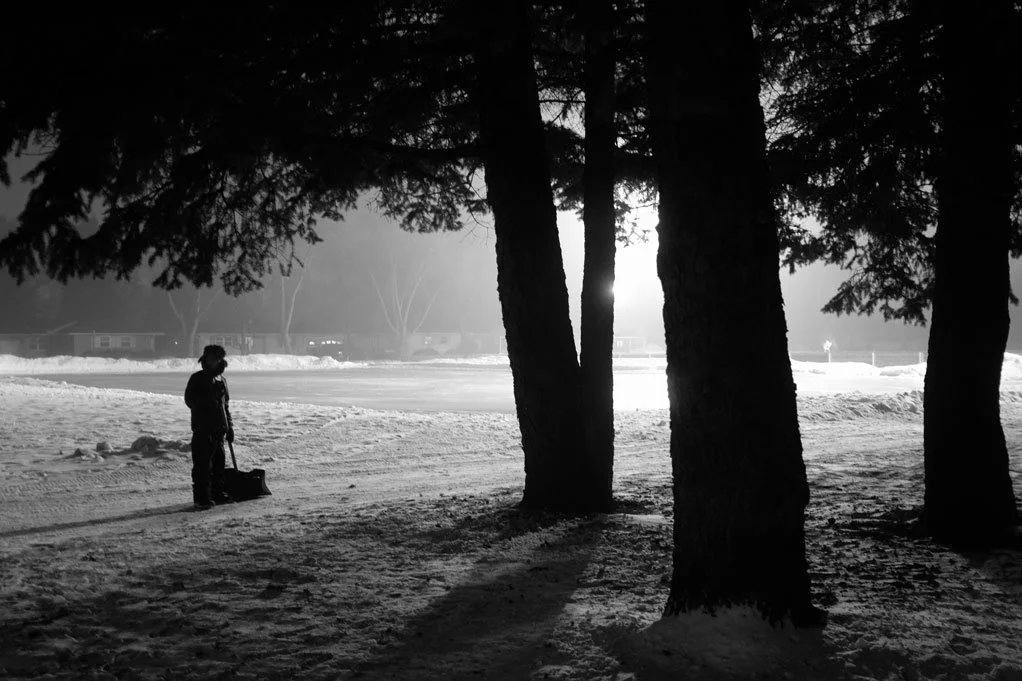
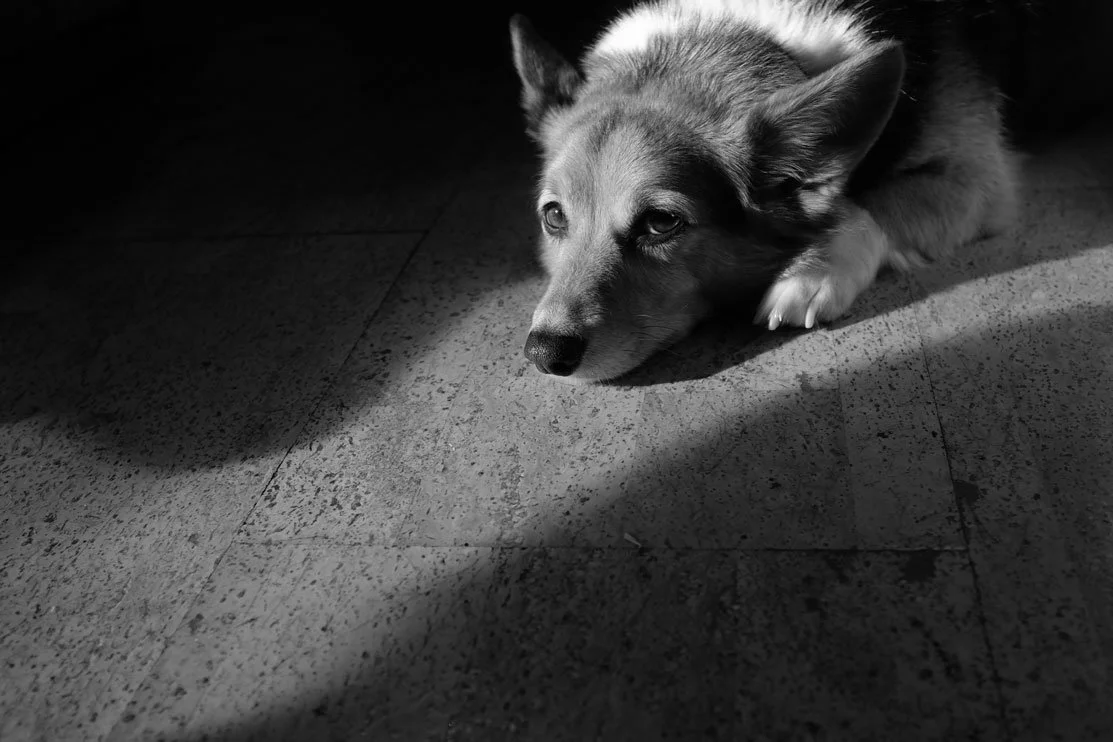
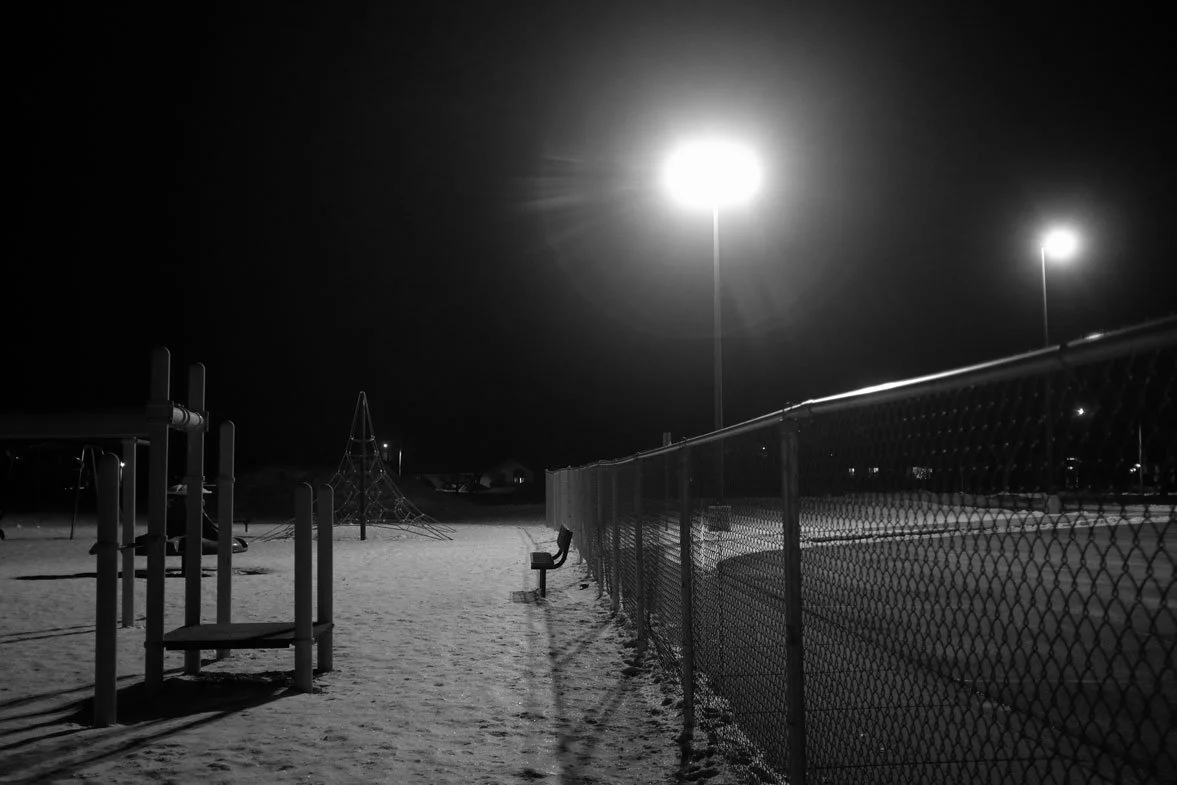
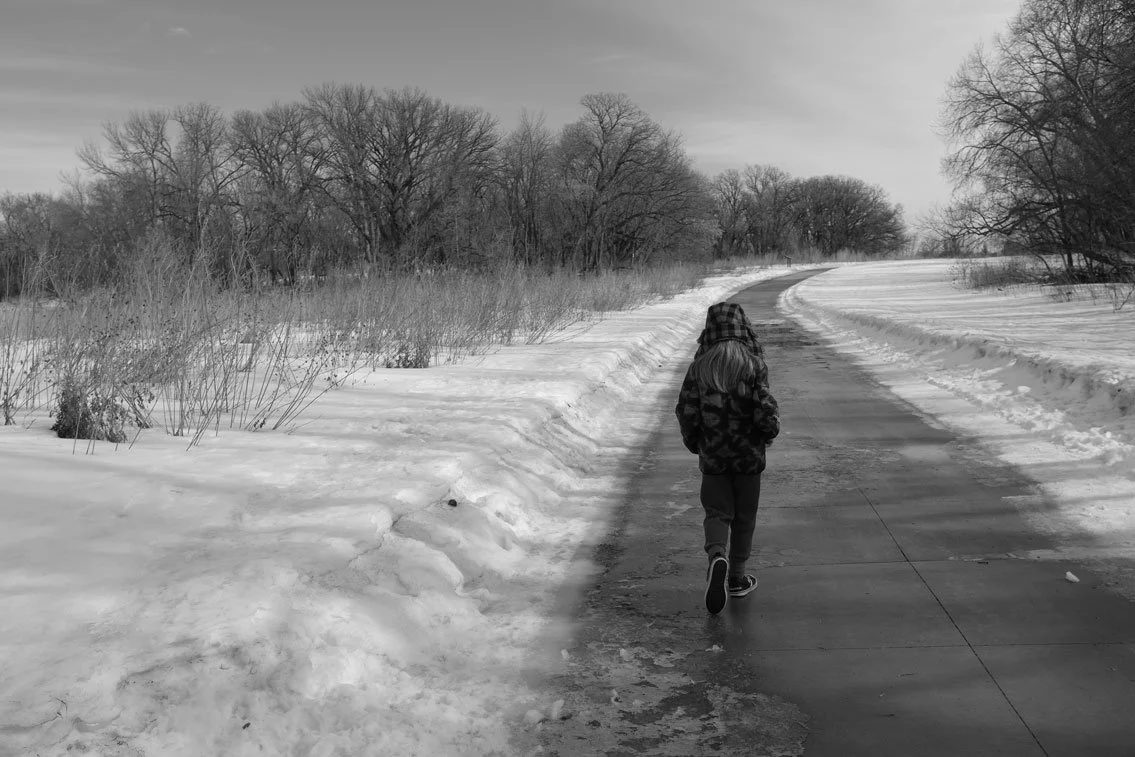
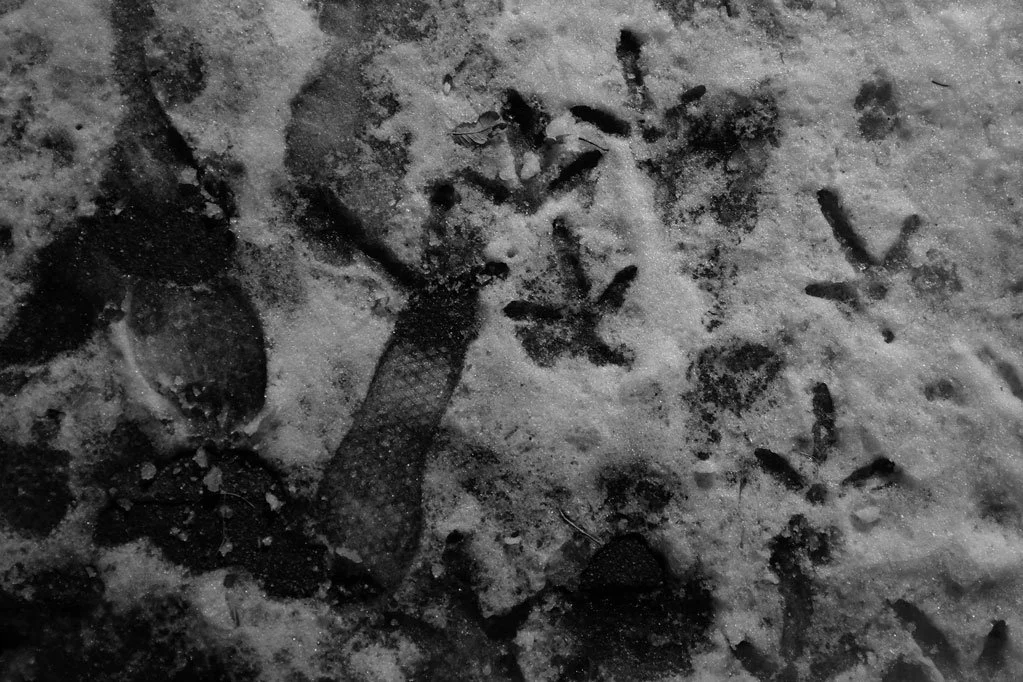
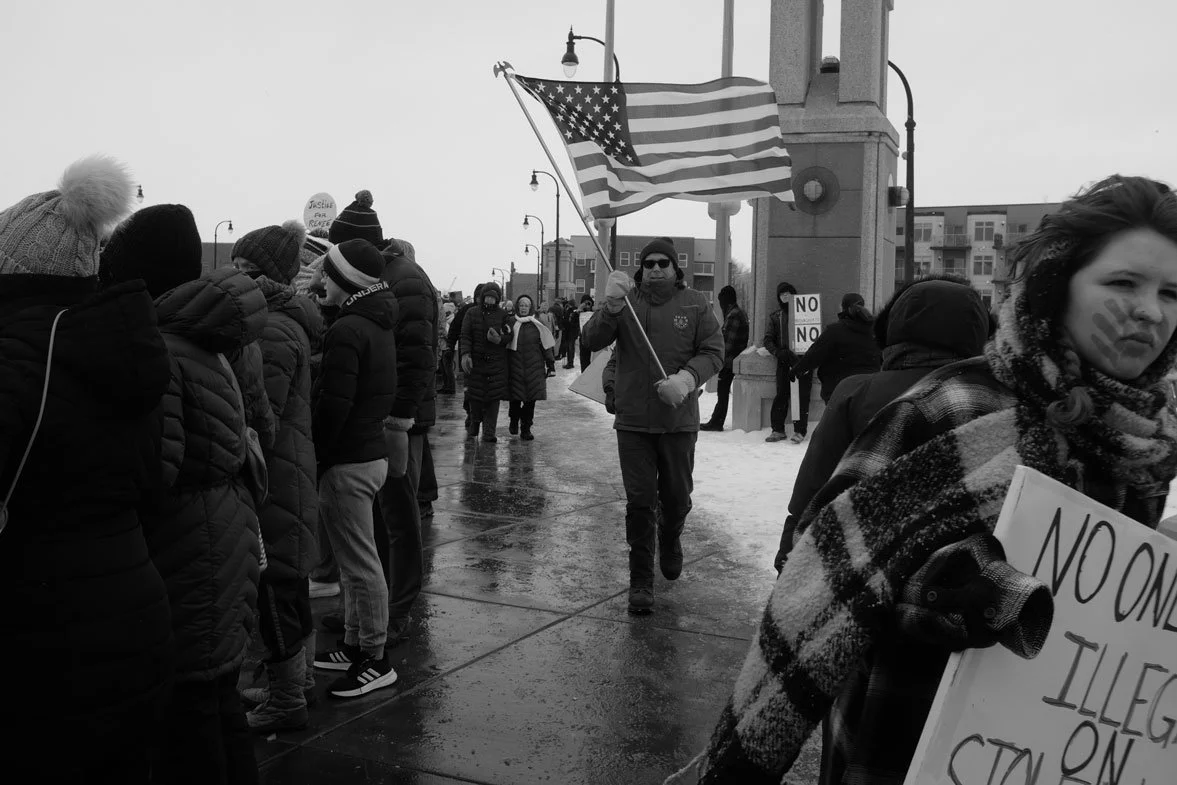
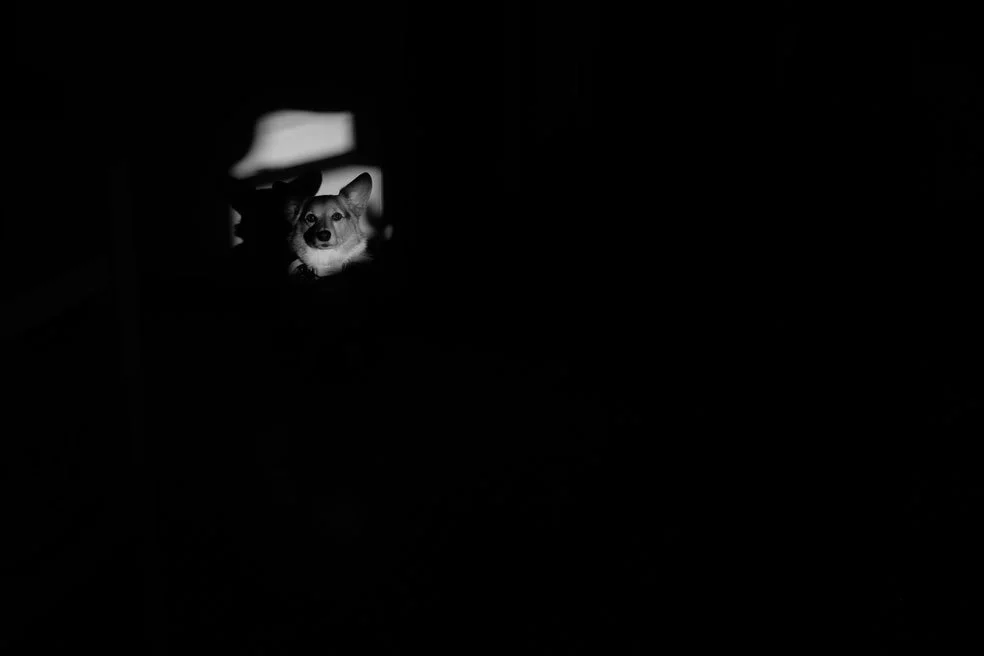
Below are a few images from my time learning about HCB (January 2026), all taken with the Fuji camera in black-and-white mode.